Expert blog about real estate investments

The Investon blog contains a selection of expert articles, in-depth analytics, and practical advice for investors. Here you will find materials with real cases, calculations, and market reviews without any fluff, just facts and profitable investment decisions.

Investments Profit 07.01.2026 33 Bali World Medical Center

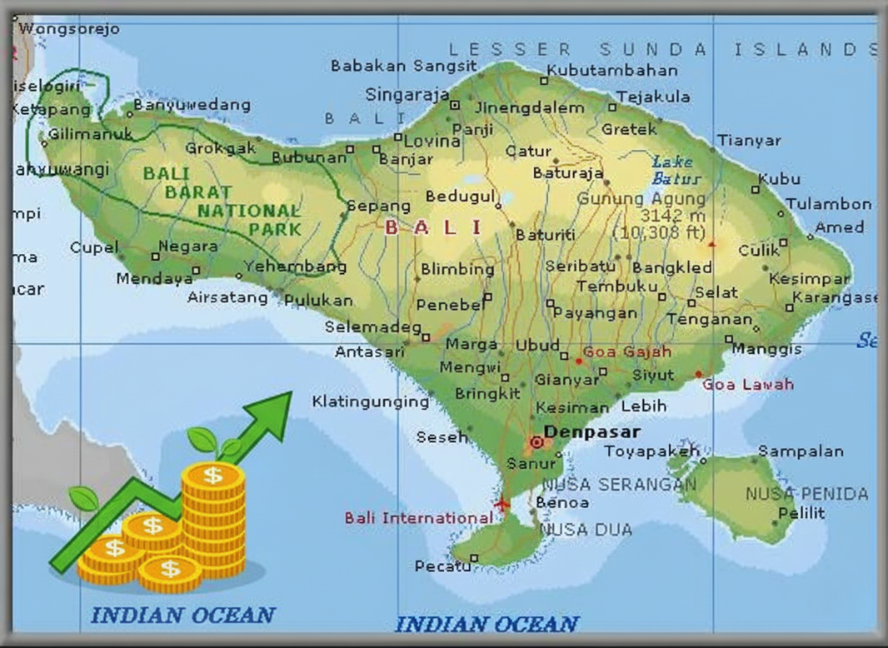
On June 25, 2025, Indonesian President Prabowo Subianto officially opened the new Bali International Hospital (BIH) in Sanur. This is not just the opening of a medical facility, but the beginning of a large-scale transformation of Bali into an elite medical tourism hub.

What is BIH

Bali International Hospital is a state-of-the-art complex equipped with the latest generation of equipment, putting it on par with the best clinics in the world. It features:

  • PET scanners,

  • 3 T MRI,

  • LINAC systems for precision radiation therapy, and more.

The facility works in collaboration with global leaders. Cardiology is supported by specialists from Japan, oncology by experts from the US and Australia, and general diagnostics and management by partners from Singapore.

Strategic goal of the project

The Indonesian government has invested over $1 billion in BIH. Every year, Indonesian citizens spend about $11.5 billion on treatment in Singapore, Malaysia, and Europe.

BIH will not only return these funds to the country's economy, but also attract foreign patients who previously chose Thailand or South Korea. It combines high-quality treatment and recovery in the premium conditions of the tropical resort of Sanur.

Foreign doctors in Indonesia

For the first time in the country's history, new legislation has allowed foreign specialists to obtain the right to practice in Indonesia. This removes bureaucratic barriers for the world's leading medical professionals.

This opens up new opportunities for thousands of certified medical professionals from around the world who are ready to share their experience and raise the standards of local medicine.

At the time of opening, three oncologists from Singapore and a leading physician from Germany are already working in BIH.

This makes it clear that Indonesia is ready to compete for leadership in the healthcare sector. For Bali, this means new jobs and an influx of investment.

Investments Profit 30.12.2025 38 The Maldives – a crisis-resilient investment gateway

The Maldivian market is a prime example of a unique tourism ecosystem that offers structural advantages and risk mitigation—factors critical for investors in the mid-premium and luxury segments. Current indicators suggest that entering this market now is a strategically sound move. Here is why.

Resilience and regulatory synergy

  1. Proven Durability: The Maldives successfully navigated the ultimate stress test—the COVID-19 pandemic—becoming one of the first global destinations to fully recover its tourist influx. This resilience confirms not only the market's viability but also the high price elasticity of demand for luxury travel.

  2. State-Business Alignment: With tourism generating over 30% of GDP, the government is a primary stakeholder. Business objectives and national interests are perfectly synchronized, ensuring a favorable regulatory environment and minimizing "black swan" political risks.

  3. Extended Retention: The average length of stay is 7.9 nights, significantly higher than in "weekend getaway" markets. This results in a structurally superior LTV (Lifetime Value per visit).

  4. Legacy Brand Equity: The "Maldives" brand carries immense inherent value. Investors inherit global recognition without the need for massive marketing budgets to build destination awareness.

Natural barriers to entry and supply scarcity

The Maldives' greatest competitive advantage is its inability to be "scaled" in the traditional sense. This creates a natural filter for competition. Out of 1,190 islands, only 185 are available for development. This fundamental geographical constraint ensures a structural supply deficit, with new inventory growing at less than 2% annually.

Furthermore, foreign capital participation is restricted to long-term leases (50–99 years) via closed tenders. This process requires more than just capital; it demands reputation and expertise, typically limiting competition to 3–5 global players per tender. Every new development undergoes a rigorous concept audit and Environmental Impact Assessment (EIA), a process lasting 18–36 months that yields only 20–25 approved projects per year.

These barriers transform every approved mid-premium or luxury project into a strategic asset with a built-in scarcity premium.

High-Net-Worth demand and the profitability formula

Demand is driven exclusively by affluent travelers from G20 nations seeking "smart luxury." According to Central Bank data, the average daily tourist spend is $512. In the mid-premium segment, 45–55% of revenue is generated through ancillary services (beyond the base room rate).

GOPPAR (Gross Operating Profit Per Available Room) ranges from $200 to $280—approximately 70% higher than competitors like the Seychelles or Mauritius. With 40% of bookings falling within the $250–$350/night range, the market hits a "sweet spot" where guests pay for the experience rather than redundant opulence.

Additional Margin Drivers:

  • Zero FX Risk: 100% of revenue is USD-denominated.

  • Operational Efficiency: The "one island, one resort" model minimizes logistical overhead and maximizes operational control.

Transparent legal framework and tax incentives

The Maldivian legal model provides investors with quasi-ownership and high asset liquidity.

  • Long-term Security: Leases of 50+ years with automatic renewal options provide a planning horizon sufficient for CAPEX amortization and securing international financing. Investors own the buildings and infrastructure, while the state retains land ownership—a structure that renders assets virtually immune to expropriation.

  • Tax Efficiency: 0% Capital Gains Tax (CGT) on exits, and 100% repatriation of dividends, interest, and capital with no withholding tax.

An investment in the Maldivian mid-premium segment is more than just an entry into the hospitality business; it is the acquisition of a highly liquid, structurally protected, and USD-indexed asset.


Investments Profit 21.12.2025 52 Bali's investment boom in 2025 opened new horizons for capital

By the third quarter of 2025, Bali firmly established its position as one of the world's most promising investment hubs. Total realized investment on the island reached a landmark $1.9 billion. More than just a statistic, this figure serves as a definitive benchmark of the high level of confidence placed in the region by both global institutional players and the domestic market.

A balanced capital distribution

The investment structure reflects a healthy and resilient development model:

$1.1 billion – Foreign Direct Investment (FDI).

$0.8 billion – Domestic Indonesian Capital.

This synergy indicates the maturation of a robust ecosystem. While the government and local business groups focus on large-scale infrastructure, road networks, and utilities, foreign investors continue to target high-yield assets.

Priority sectors and key players

Resort real estate remains the premier sector for capital inflow. The leading sources of investment by country are:

  • Australia ($138M)
  • Singapore ($132M)
  • France ($84M)
  • The Netherlands ($60M)

Key implications for private investors

The defining takeaway of 2025 is that the Balinese market has transitioned from a phase of speculative potential to one of sustained organic growth. This shift is no longer driven by marketing hype, but by fundamental demand. The convergence of domestic and international capital creates a stable foundation for long-term development. Furthermore, this trend incentivizes the state to strengthen asset protection, ensuring the market receives the necessary liquidity.


For those considering the island's real estate, this represents the optimal entry point: the market is maturing, infrastructure is accelerating, and the demand for premium quality continues to outpace supply.

Investments Profit 17.12.2025 58 Global Citizenship (GCI) Program in Indonesia for permanent residence without renouncing citizenship

The Indonesian government has officially launched the Global Citizenship Indonesia (GCI) policy. While not a full dual citizenship, this innovative program allows individuals with ties to Indonesia to obtain permanent residency and long-term rights while maintaining their original foreign citizenship.

The GCI was launched in response to the needs of the vast Indonesian diaspora and descendants of Indonesians who may have changed their citizenship status or were born in mixed-marriage families abroad.

Who is eligible for the GCI Program?

The GCI policy is exclusively available to those with ancestral, familial, or historical ties to Indonesia. Key eligible categories include:

  • Former Indonesian citizens who have since acquired foreign citizenship.

  • Descendants of former Indonesian citizens up to the second degree (children and grandchildren).

  • Legal spouses of both current and former Indonesian citizens.

  • Children born of legal marriages between Indonesian and foreign citizens who do not qualify for limited dual citizenship or who have passed the age limit for choosing their citizenship.

Exceptions

To safeguard national interests and security, the government has established strict exclusions. The following categories are not eligible for the GCI:

  • Citizens of countries that were formerly part of Indonesia (specifically referring to Timor-Leste).

  • Individuals involved in separatist movements against Indonesia.

  • Foreign government, intelligence, or military personnel.

These restrictions ensure that the GCI program is not utilized for political or security purposes that conflict with the interests of the state.

Provisions for children and limited dual citizenship

The introduction of the GCI does not change existing laws regarding children with limited dual citizenship. Children from mixed marriages who hold limited dual citizenship must still make a final choice upon reaching the age of 18 or getting married. They have a maximum of three years from that date to declare their decision.

Essentially, the GCI serves as an additional tool for adults who have already lost their Indonesian citizenship, those who did not exercise their right to choose within the deadline, and their descendants.

A simple and accessible online application process

A primary advantage of the GCI program is its fully digitized application process. Interested parties can submit all required documents and access the service through the official portal: evisa.imigrasi.co.id.

This online system significantly streamlines the procedure, allowing applicants from anywhere in the world to access the GCI without needing to be physically present in Indonesia during the initial stages.

Why the GCI matters for Indonesia

The launch of this program is a strategic move to attract global talent and investment. It signals Indonesia’s openness to the world and its readiness to adapt legislation to support national identity and economic development in a globalized era.

Investments Profit 13.12.2025 57 Bali regions profitability rating

Bali remains one of the most attractive destinations for real estate investment, especially for rental purposes. However, the profitability varies significantly depending on the specific area. The analysis below, based on key indicators OCC (Occupancy Rate) and ADR (Average Daily Rate), allows for an objective rating of the profitability of different locations.

Analysis of indicators by region

  • Amed. This submarket demonstrates high efficiency with a score of 99, confirmed by a significant increase in key financial metrics: annual revenue is Rp256.9M (+10%), Revenue Per Available Room (RevPAR) grew the most—to Rp723.69K (+15%), and the occupancy rate reached 63% (+4%).

  • Candidasa. This submarket has a mediocre score of 55. The indicators are mixed: annual revenue is Rp534.4M (+2%), and the Average Daily Rate (ADR) Rp3.55M (+4%) and RevPAR Rp1.58M (+4%) are growing. However, the occupancy rate is falling to 47% (-4%).

  • Canggu. This submarket has a high score of 91, but most indicators are falling: annual revenue Rp524.9M (-10%), ADR Rp2.62M (-9%), and RevPAR Rp1.54M (-8%). The occupancy rate is 62% (-3%).

  • Jimbaran. This submarket has a high score of 89. Most indicators remain stable: annual revenue Rp355.8M (-3%) and occupancy rate 60% (-5%). ADR Rp1.81M is slightly increasing (+1%), and RevPAR remains unchanged (Rp1.04M, 0%).

  • Kerobokan. High score of 80, but a significant decline in almost all indicators, particularly annual revenue Rp498.7M (-13%) and RevPAR Rp1.47M (-11%).

  • Kuta. This submarket has an average score of 64 and shows a decline in all key indicators: annual revenue Rp185.8M (-15%), occupancy rate 48% (-5%), RevPAR Rp529.18K (-12%), and ADR Rp1.17M (-11%).

  • Legian. This submarket has a good score of 74 and shows moderate but positive growth: annual revenue Rp386.4M (+1%), occupancy rate 56% (+3%), and RevPAR Rp1.12M (+4%). Only the ADR decreased by 2% (Rp2.08M).

  • Mengwi. This submarket has a high score of 89, but shows a decline in all key indicators, except for RevPAR, which fell by 10% to Rp1.26M. Annual revenue Rp426.3M (-12%), occupancy rate 64% (-1%), and ADR Rp2.09M (-12%) also fell.

  • North Kuta. This submarket has a high score of 84, but most indicators are decreasing: annual revenue Rp506.2M (-11%), occupancy rate 61% (-3%), RevPAR Rp1.49M (-10%), and ADR Rp2.58M (-10%).

  • Bukit. High score and a moderate decline: annual revenue Rp334.2M (-4%), occupancy 62% (-5%), RevPAR Rp975.72K (-1%).

  • Seminyak. Average score. Annual revenue Rp729.2M (-11%), RevPAR Rp2.20M (-10%), and occupancy 60% (-4%).

  • South Kuta (Bukit). Average score. Annual revenue Rp539.4M (-10%), RevPAR Rp1.61M (-8%), and occupancy 60% (-1%).

  • Ubud. Average score. Annual revenue Rp337.7M (-12%), RevPAR Rp960.47K (-9%), occupancy 60% (-6%).

  • Umalas. High score, annual revenue Rp530.4M (-13%), RevPAR Rp1.56M (-12%).

Leaders and outsiders

1. Occupancy rate (OCC)

OCC is an indicator of constant demand in the area. The higher this indicator, the less your property stands idle.

  • Leaders - Canggu and Sanur demonstrate the highest OCC level in Bali. Stable demand guarantees minimal property downtime.

  • Outsider. Kintamani records the lowest OCC on the island. This is a tourist spot, attractive for day trips due to the picturesque view of Mount Batur and the lake, but less suitable for long-term stays. Low occupancy here is expected.

No single indicator is sufficient to determine the best investment. Their combined effect must be evaluated.

Investment choices in Bali should be based on a balance of risk and return, relying on expert forecasts.


Investments Profit 08.12.2025 58 AI-Powered 'Seamless Corridors' – a revolutionary Move in Indonesia

Indonesia has become the first country in the world to implement 'Seamless Corridors'.

What it is: These innovative biometric systems are currently operational in Jakarta and Surabaya airports, utilizing Artificial Intelligence (AI) for instantaneous and contactless passenger identification while they are moving. This eliminates unnecessary delays for presenting travel documents to immigration or scanning passports at e-gates.

This solution transforms cumbersome border control into a fast and fluid process.

How the clearance technology works

The system is built on cutting-edge biometric technology. Passengers walk through the corridor without stopping. As they move, high-precision cameras and sensors integrated with AI algorithms perform the following actions:

  • Recognition: Facial and/or iris recognition.

  • Instant Verification: The AI cross-references the acquired data with the government database.

  • Automatic Confirmation: Identity is confirmed, and the border crossing is registered automatically.

This approach is convenient, accurate, and incredibly fast, leading to highly effective passenger flow management.

Strategic focus on Hajj Pilgrims

The pilot project for the 'Seamless Corridors' is strategically aimed at the passenger group that generates the largest flow: Hajj pilgrims. Indonesia has the highest Hajj quota globally, at approximately 220,000 people annually.

Thanks to this project, clearance during peak hours is significantly accelerated. Passengers whose biometric data is already registered are directed through these corridors. The system is also available to international passengers whose biometric data is in the system. This ensures high throughput and enhances the level of security due to AI accuracy.

Bali awaits the innovation

While Jakarta and Surabaya are testing this advanced technology, tourist attention is, as usual, focused on Bali. I Gusti Ngurah Rai Airport is preparing for yet another record year in terms of traveler numbers.

Specific plans for implementing the 'Seamless Corridors' in Bali have not yet been announced. However, authorities have already taken several steps to optimize control in 2025:

  • Installation of more Autogates.

  • Simplified visa system.

  • Introduction of the All Indonesia unified card.

Given Bali's crucial strategic importance, it is logical that the implementation of AI corridors will follow soon after the pilot project proves its effectiveness.

Investments Profit 28.11.2025 70 Bali villa investment: capitalizing on the 2025 infrastructure and tourism boom

The Bali villa market is showing significant growth heading into late 2025, consistently outperforming Indonesia's national economic forecasts. The national economy expanded by 5.52% in the first quarter, with annual projections set between 5.0–5.8%.

Tourism, yield, and rapid payback

Bali’s economy is soaring, primarily driven by its robust tourism sector. Tourist arrivals in April surged by 25.56% compared to March, pushing overall occupancy rates to 57.23%. Villas are leading this performance, reliably delivering a net yield of 8–10% with high occupancy rates of 65–80%. This high efficiency translates into a rapid return on investment (ROI), averaging 6 years, fueled by strong demand from digital nomads and families.

Infrastructure projects as key catalysts

Major infrastructure projects scheduled for 2025 are set to become the primary drivers for property value appreciation: a new international airport, the Paramount theme park (set to be the largest in Southeast Asia), a Formula 1 track, and a new cruise port. These projects, alongside planned upgrades to the island’s road and rail networks, are expected to trigger a 15–20% increase in capital gains and rental rates. In expatriate hotspots like Canggu, villa values are expected to climb by over 20%.

Key investment zones

South Bali dominates the market, offering zones with high returns and stable demand:

  • Canggu: The undisputed digital nomad hub. Offers fast-growing income and high liquidity (40% resales). Yields are typically 8–10% for villas starting from $\$200k–250k$.

  • Uluwatu/Bukit: Known as the surf-luxury epicenter, providing high returns up to 10% and exceptional occupancy ($\approx 85\%$). Resale potential here is very high (15–40%).

  • Ubud: The cultural and ecotourism hub delivers stable, balanced returns up to 10% with 75–80% occupancy.

  • Seminyak: A classic lifestyle and gastronomy anchor, generating 8–12%, but facing higher market competition.

  • Emerging regions: High-potential areas to watch include Nuanu (creative hub), Cemagi (coastline), Nyanyi (price alternative to Canggu), Bingin (surf niche), and Sidemen (eco-rentals), which generally offer returns up to 10%.

Sustainability as a premium factor

Bali’s commitment to achieving 100% renewable energy by 2027, notably through the $\$70$ million "Green Bukit" initiative, is stimulating sustainable construction. This creates a tangible premium for eco-villas, which command a 15% premium on resale and secure steady yields up to 10% from environmentally conscious renters.

The Bali villa market in 2025, underpinned by tourism and infrastructure, offers investors stable returns up to 10%. The persistent, unique global demand for each region makes targeted investments in Canggu and Uluwatu highly lucrative.

Investments Profit 17.11.2025 97 Bali's renewed peak popularity and prestigious World Travel Awards 2025

The island of Bali has once again affirmed its enduring status in the global tourism industry by securing two prestigious accolades at the World Travel Awards 2025 ceremony.

This year, Bali was honored with the titles:

  • Asia’s Leading Wedding Destination

  • Asia's Most Romantic Destination 2025

These victories only solidify its worldwide recognition. For wedding tourism, this marks the seventh award, and in the "romantic destinations" category, it is the eighth consecutive win.

The World Travel Awards is an international premium recognizing the best representatives of the travel sector annually: from hotels and airlines to entire tourist destinations. Winners are determined by a global vote of experts and travelers.

Bali consistently confirms its status as the island of love and inspiration. It uniquely combines romance, profound culture, and stunning nature. All of this together creates a perfect harmony for an unforgettable getaway.

Beyond the prestige, regular international awards are a crucial indicator of Bali's investment appeal. Consistent and continuous global recognition as a romantic and wedding hub ensures a high and stable flow of premium-segment tourists. This, in turn, guarantees stable occupancy and high returns on investments in villas, boutique hotels, wedding venues, and related infrastructure.

Investments Profit 10.11.2025 89 Why it is advantageous to invest in Bali real estate

Bali’s real estate market in 2025 demonstrates stable demand among investors from around the world. It combines a high rental yield of 8–12% with capital appreciation and attracts around 7 million tourists annually. Properties in high-demand tourist hotspots such as Canggu and Uluwatu offer not only luxury vacation experiences but also passive income through short-term rentals.


Foreign investors can acquire land through leasehold agreements for 25–50 years with extension options, simplifying the entire process — especially when developers handle the legal procedures. Considering that your investment can be recouped within 5–7 years, there is no need for concern. However, it is crucial to pay close attention to the documentation.


Advice from Investon:

• verify the land lease certificate and the lease agreement;

• ensure that the owner signing the contract is the same person registered in the land certificate;

• request a copy of the owner’s ID (KTP);

• include a renewal clause in the contract with fixed terms (price, duration, procedure);

• check whether the land is free from legal claims, seizure, or collateral.


Key investment advantages:

• proven rental yields of up to 12% annually;

• prime locations: Canggu’s surf scene and Uluwatu’s cliffs are high-demand areas among expats and tourists;

• sustainable advantages: eco-features such as green zones and wellness spaces increase property attractiveness;

• property management companies handle rentals, maintenance, and taxation.

In 2024, the island welcomed 6.3 million international visitors, surpassing pre-pandemic 2019 levels. This figure reflects a broader trend: the Asia-Pacific region received a total of 316 million tourists, demonstrating a 33% increase compared to 2023.


The Canggu area (Badung Regency), based on the number of rented properties, attracts up to 49% of all visitors to the island. Yet the region offers only around 5,600 rental properties. This creates an unprecedented imbalance: each rental unit accounts for 446 tourists. Such strong demand supports consistently high occupancy rates—exceeding 75% in popular areas such as Canggu and Uluwatu.


In 2024, the country recorded a historically low inflation rate of around 1.57%.

The Indonesian rupiah exchange rate against the US dollar (as of October 2025 — around 16,523 IDR per $1) remains predictable, enabling investors to plan their financial flows with confidence.


Property prices in Bali have grown by an average of 7% annually over the past five years, with even higher growth recorded in certain areas.

Rental returns: villas in tourist hubs offer a gross rental yield of 7–15%, supported by both short-term vacation rentals and long-term leases for expats.


Bali offers a diverse range of properties including villas, apartments, hotels, and townhouses, combining spacious living with stylish design. The island is an excellent place to live, but investing here requires professional expertise. If you seek profitable returns, do so legally through an investment company you trust—one that has already vetted developers and properties. Otherwise, consider other markets, as independent purchases carry the risk of losing your investment.


Investments Profit 08.10.2025 126 What determines the price of renting accommodation in Bali

The tourism market in Bali is extremely saturated, and property owners have different financial strategies. Given the competition, dynamic pricing is an indispensable tool, but its success depends entirely on individual customization to each owner's goals. The system automatically adjusts rates based on demand, local events, and competitor activity. However, to work effectively with Balinese villas or apartments, it is necessary to precisely adapt the basic parameters to the unique specifics of this tropical island.

Key strategies for adapting pricing in Bali

First, it is necessary to apply flexible pricing, regularly adjusting prices depending on occupancy, local events, and demand forecasts. Another important strategy is package deals and additional services (transfers, excursions), which increase the average check without directly reducing the base price for accommodation. Third, real-time analysis of competitors' prices is critical to ensuring optimal competitiveness, avoiding dumping, and maximizing profits during peak seasons. Finally, premiumization is the positioning of a property as unique or luxurious, which allows you to justify a higher price through exceptional service and design.

Transforming Goals into Specific Management Tool Parameters

An effective revenue management strategy is built on close collaboration between the investment company and the asset owner.

This joint effort aims to translate general business goals into specific, measurable pricing management tool settings.

Key detailed steps and parameters include:

1. Setting Base Prices: Determining initial or standard price levels that reflect the desired market position and minimum acceptable revenue.

2.    Defining Strategic Minimum Stay Requirements: Setting restrictions on short-term bookings during certain periods to help optimize occupancy and maximize overall revenue, especially during peak seasons.

3.    Setting Demand Sensitivity Thresholds: Introducing parameters that automatically adjust prices (increase or decrease) based on actual demand levels, booking rates, and availability of rooms/units.

In this way, the collaboration ensures that the tool works not just automatically, but strategically, in line with the financial and operational objectives of both parties.

Dynamic pricing in Bali is not just about how quickly the algorithm raises prices, but also about how accurately it reflects the owner's priorities. An effective strategy involves cooperation between the investment company and the owner, where goals are translated into tool settings. Only through this adaptation can Balinese real estate maximize both profits and owner satisfaction.

Investments Profit 07.10.2025 116 Red flags of a developer: how to distinguish a scam from a legitimate business

In today's real estate market, where dozens of new projects appear every year, investors are faced not only with the choice of location or layout, but also with the risk of encountering fraudsters. Unscrupulous developers may promise “dream homes” at attractive prices, but behind the glossy advertising often lie schemes that end in frozen construction projects and lost funds. Let's figure out how to recognize whether you are dealing with a reliable developer or a potential scam.

Legal clarity: the first test of trust

First of all, it is worth checking the documents. A legal developer never hides legal information about their property. Be sure to ask for:

  • approved for work (IMB or PBG) - confirms that the project is legal;

  • documents for land - whether the company has the right of ownership (Freehold / Hak Milik) or a long-term lease (Leasehold / Hak Sewa);

  • Certificate of Construction Completion (SLF) - for completed or completed buildings;

  • purchase and sale agreement (PPJB or AJB) is a document that confirms the rights of the buyer.

The absence of any of these items is a warning sign. If company representatives evade answering or offer a “non-standard scheme,” you should be wary.

Developer reputation: history speaks for itself

A reliable developer is not afraid of transparency. Before investing, it is worth studying the company's previous projects: were there any delays in delivery, conflicts with owners, or lawsuits.

Reputation in real estate is built over years, so even a brief review of open sources (buyer reviews, media publications, court records) can give you a realistic picture.

Suspicious signs:

  • no mention of the company in open databases;

  • different legal entities for each property;

  • negative reviews that are deleted or ignored;

  • promises that “everything will be ready in a year” without clear evidence.

A real developer demonstrates consistency: the same founders, a stable address, a clear history of completed projects.

Financial traps and aggressive marketing

Another warning sign is overly favorable terms. If you are offered a “today only” discount or promised super profits on resale, this may be an attempt at psychological pressure.

What should not be in the financial section:

  • no escrow accounts or transparent financing scheme;

  • requirement to pay the full amount immediately without guarantees;

  • non-transparent origin of the investment company raising funds;

  • emphasis on “cheapness” instead of quality.

A legitimate business always has a clear financial structure, does not hide its partners, and does not require hasty decisions.

Ways to protect investors from fraudsters

To avoid falling into the trap of fraudsters, act according to the principle of “trust, but verify.”

Recommendations:

  • Consult a local lawyer who specializes in real estate in Indonesia. He will check the documents and explain the legal risks for foreigners.

  • Check the developer - find out if the company is registered in Indonesia (through OSS Indonesia or Ministry of Law and Human Rights) and has a valid tax number (NPWP).

  • Visit the site in person - make sure that construction is actually underway and not just on renderings.

  • Do not invest in properties without building permits (IMB/PBG) or without land use rights - even if the price seems extremely favorable.

  • Keep all payment documents, receipts and official correspondence - they will serve as evidence in case of disputes.

In a highly competitive market, developers often try to attract customers with flashy slogans. But the true indicator of reliability is not bright visualizations, but transparency, legal clarity, and fulfilled promises.

Investing in real estate is not just about square meters, but above all about trust. So, if you see even one red flag, it is better to take a step back than to lose everything. A reliable developer never makes a customer doubt their legality.

Investments 07.10.2025 110 Financial Guarantees vs. Reputational Guarantees: What Really Works

In today’s business world, trust is a currency that’s often worth as much as money itself. Investors, partners, clients, and even employees judge a company not only by its profits but also by its ability to deliver on its promises. In professional relationships, two main forms of assurance are commonly used: financial guarantees and reputational guarantees. But which of these truly holds more weight in the long run? Let’s take a closer look.

Financial Guarantees and Their Many Forms

Financial guarantees are commitments backed by money or assets, designed to secure an agreement or reduce risk. They can take several forms:

  • Bank guarantee – an official document from a bank promising to cover potential losses if obligations aren’t met;

  • Deposit or collateral – funds held as proof of intent and reliability;

  • Risk insurance – a policy that compensates for unexpected losses or force majeure events;

  • Financial penalties in contracts – clauses that deter non-performance through monetary consequences.

Such guarantees offer immediate reassurance: “the money’s safe,” “the risks are covered.” Yet, their protection is short-term. They can’t fully eliminate the risk of bad faith — especially if one party is motivated purely by profit.

Reputational Guarantees: The Power of Intangible Capital

Reputational guarantees are a form of intangible capital built over time. They’re based on a company’s track record, transparency, customer feedback, leadership credibility, and consistent integrity. A business that has spent years cultivating trust and goodwill cannot afford to damage its name — because reputation loss costs far more than any financial penalty.

Reputation often works where money cannot — particularly in:

  • Long-term partnerships, where trust is built over years;

  • Public-facing industries such as real estate, investment, law, and consulting, where even a small credibility issue can cause major fallout;

  • Personal branding, where your name is your biggest asset.

A company that communicates openly, honors its commitments, and takes responsibility when things go wrong earns something priceless — a word that carries more weight than a bank’s seal.

Financial vs. Reputational: What Works Better

Financial guarantees offer security on paper, while reputational guarantees provide security in people’s minds. The former acts like insurance; the latter is a long-term asset that reduces risk by fostering trust itself.

Financial guarantees are most useful at the beginning of a partnership, when the parties don’t yet know each other. They help establish a baseline of confidence. But over time, reputation becomes the real safeguard. Even the best-written contract means little if one side lacks integrity.

Reputational guarantees, by contrast, create enduring trust that opens doors without red tape. When a business or expert has a spotless reputation, deals move faster — no collateral or bank confirmations needed. In today’s hyperconnected world, where information spreads in seconds, reputation is the most valuable collateral you can have.