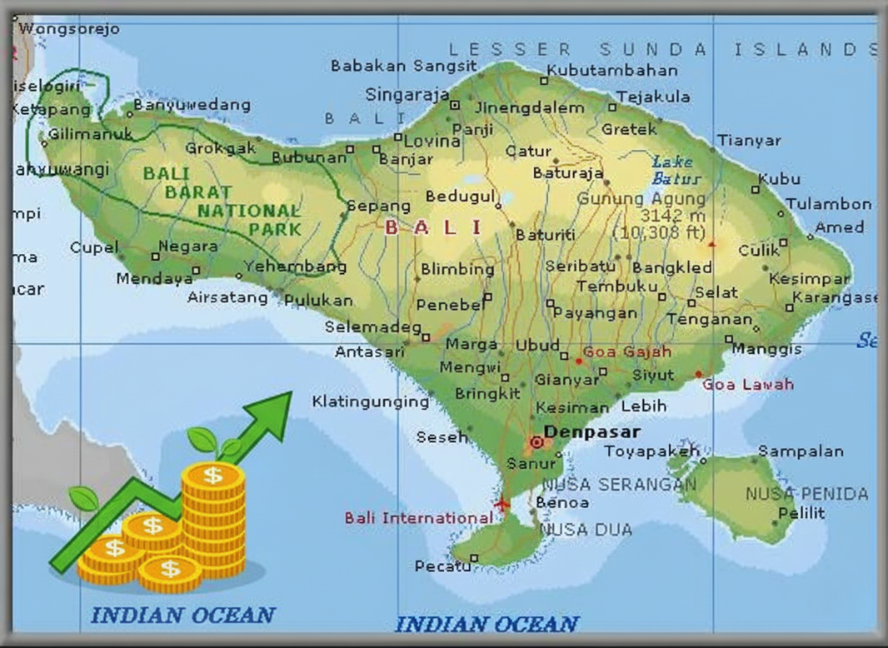
The tourism market in Bali is extremely saturated, and property owners have different financial strategies. Given the competition, dynamic pricing is an indispensable tool, but its success depends entirely on individual customization to each owner's goals. The system automatically adjusts rates based on demand, local events, and competitor activity. However, to work effectively with Balinese villas or apartments, it is necessary to precisely adapt the basic parameters to the unique specifics of this tropical island.
Key strategies for adapting pricing in Bali
First, it is necessary to apply flexible pricing, regularly adjusting prices depending on occupancy, local events, and demand forecasts. Another important strategy is package deals and additional services (transfers, excursions), which increase the average check without directly reducing the base price for accommodation. Third, real-time analysis of competitors' prices is critical to ensuring optimal competitiveness, avoiding dumping, and maximizing profits during peak seasons. Finally, premiumization is the positioning of a property as unique or luxurious, which allows you to justify a higher price through exceptional service and design.
Transforming Goals into Specific Management Tool Parameters
An effective revenue management strategy is built on close collaboration between the investment company and the asset owner.
This joint effort aims to translate general business goals into specific, measurable pricing management tool settings.
Key detailed steps and parameters include:
1. Setting Base Prices: Determining initial or standard price levels that reflect the desired market position and minimum acceptable revenue.
2. Defining Strategic Minimum Stay Requirements: Setting restrictions on short-term bookings during certain periods to help optimize occupancy and maximize overall revenue, especially during peak seasons.
3. Setting Demand Sensitivity Thresholds: Introducing parameters that automatically adjust prices (increase or decrease) based on actual demand levels, booking rates, and availability of rooms/units.
In this way, the collaboration ensures that the tool works not just automatically, but strategically, in line with the financial and operational objectives of both parties.
Dynamic pricing in Bali is not just about how quickly the algorithm raises prices, but also about how accurately it reflects the owner's priorities. An effective strategy involves cooperation between the investment company and the owner, where goals are translated into tool settings. Only through this adaptation can Balinese real estate maximize both profits and owner satisfaction.