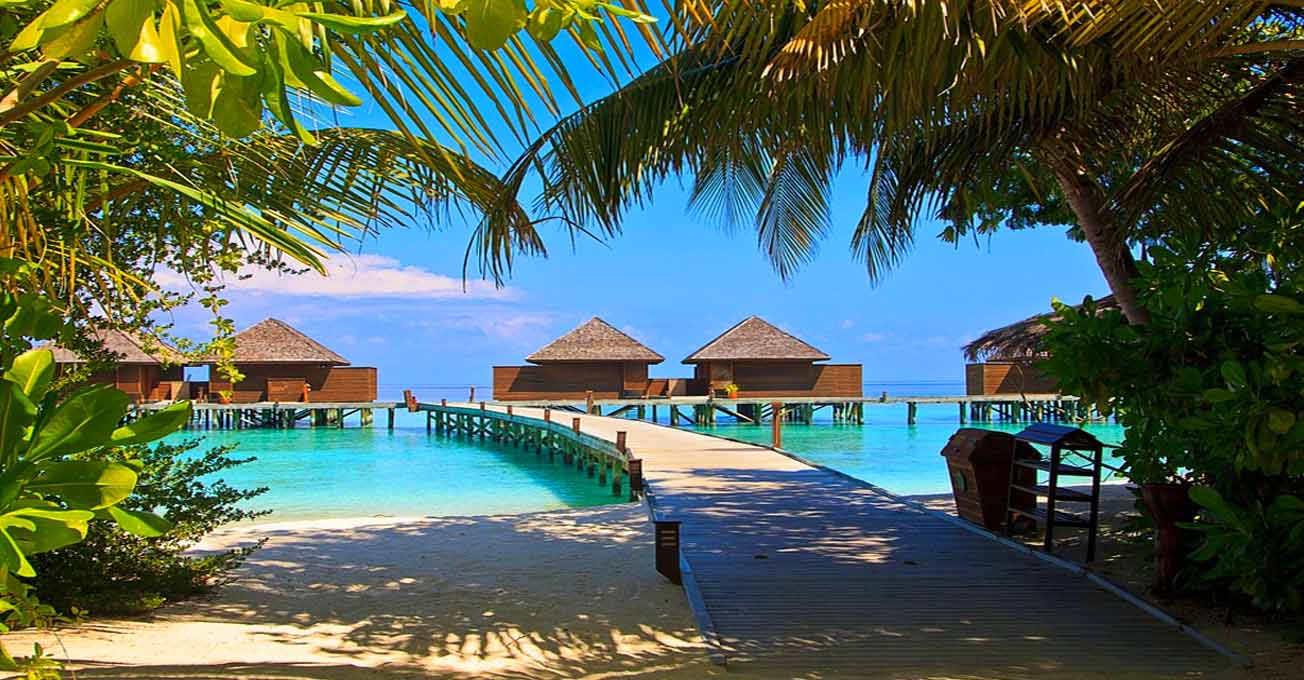
The Maldivian market is a prime example of a unique tourism ecosystem that offers structural advantages and risk mitigation—factors critical for investors in the mid-premium and luxury segments. Current indicators suggest that entering this market now is a strategically sound move. Here is why.
Resilience and regulatory synergy
Proven Durability: The Maldives successfully navigated the ultimate stress test—the COVID-19 pandemic—becoming one of the first global destinations to fully recover its tourist influx. This resilience confirms not only the market's viability but also the high price elasticity of demand for luxury travel.
State-Business Alignment: With tourism generating over 30% of GDP, the government is a primary stakeholder. Business objectives and national interests are perfectly synchronized, ensuring a favorable regulatory environment and minimizing "black swan" political risks.
Extended Retention: The average length of stay is 7.9 nights, significantly higher than in "weekend getaway" markets. This results in a structurally superior LTV (Lifetime Value per visit).
Legacy Brand Equity: The "Maldives" brand carries immense inherent value. Investors inherit global recognition without the need for massive marketing budgets to build destination awareness.
Natural barriers to entry and supply scarcity
The Maldives' greatest competitive advantage is its inability to be "scaled" in the traditional sense. This creates a natural filter for competition. Out of 1,190 islands, only 185 are available for development. This fundamental geographical constraint ensures a structural supply deficit, with new inventory growing at less than 2% annually.
Furthermore, foreign capital participation is restricted to long-term leases (50–99 years) via closed tenders. This process requires more than just capital; it demands reputation and expertise, typically limiting competition to 3–5 global players per tender. Every new development undergoes a rigorous concept audit and Environmental Impact Assessment (EIA), a process lasting 18–36 months that yields only 20–25 approved projects per year.
These barriers transform every approved mid-premium or luxury project into a strategic asset with a built-in scarcity premium.
High-Net-Worth demand and the profitability formula
Demand is driven exclusively by affluent travelers from G20 nations seeking "smart luxury." According to Central Bank data, the average daily tourist spend is $512. In the mid-premium segment, 45–55% of revenue is generated through ancillary services (beyond the base room rate).
GOPPAR (Gross Operating Profit Per Available Room) ranges from $200 to $280—approximately 70% higher than competitors like the Seychelles or Mauritius. With 40% of bookings falling within the $250–$350/night range, the market hits a "sweet spot" where guests pay for the experience rather than redundant opulence.
Additional Margin Drivers:
Zero FX Risk: 100% of revenue is USD-denominated.
Operational Efficiency: The "one island, one resort" model minimizes logistical overhead and maximizes operational control.
Transparent legal framework and tax incentives
The Maldivian legal model provides investors with quasi-ownership and high asset liquidity.
Long-term Security: Leases of 50+ years with automatic renewal options provide a planning horizon sufficient for CAPEX amortization and securing international financing. Investors own the buildings and infrastructure, while the state retains land ownership—a structure that renders assets virtually immune to expropriation.
Tax Efficiency: 0% Capital Gains Tax (CGT) on exits, and 100% repatriation of dividends, interest, and capital with no withholding tax.
An investment in the Maldivian mid-premium segment is more than just an entry into the hospitality business; it is the acquisition of a highly liquid, structurally protected, and USD-indexed asset.