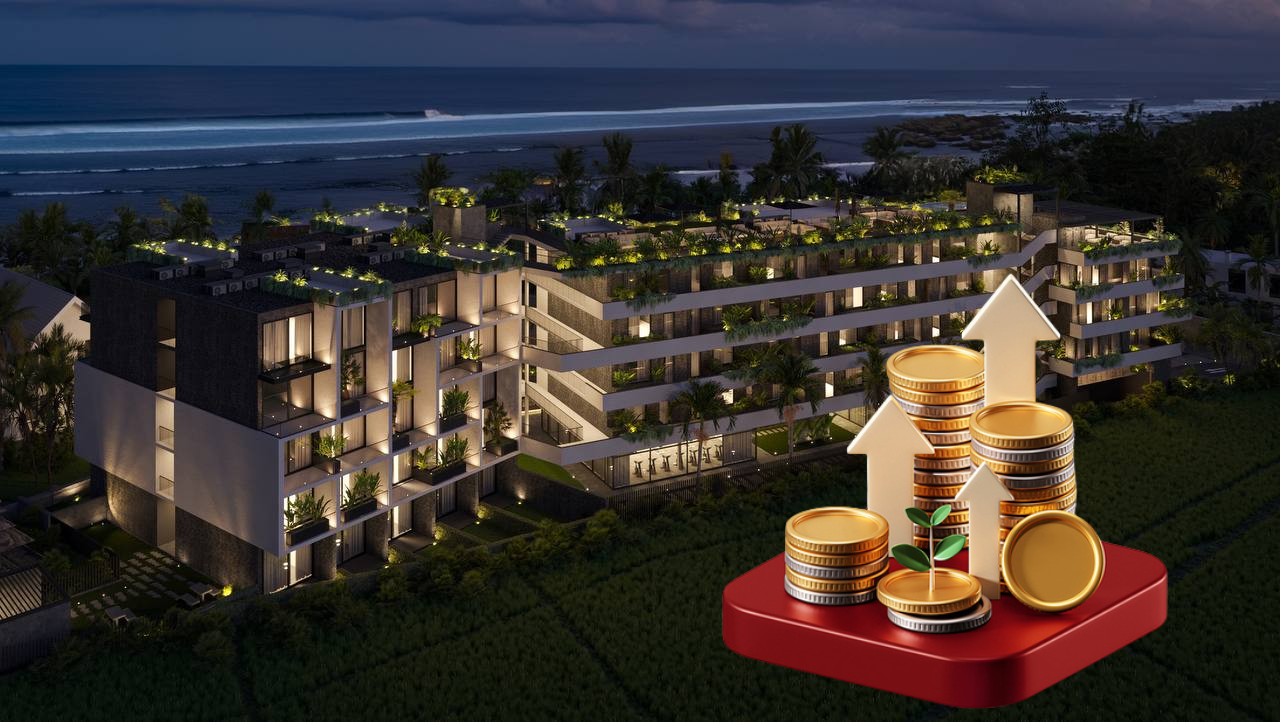
Bali’s real estate market in 2025 demonstrates stable demand among investors from around the world. It combines a high rental yield of 8–12% with capital appreciation and attracts around 7 million tourists annually. Properties in high-demand tourist hotspots such as Canggu and Uluwatu offer not only luxury vacation experiences but also passive income through short-term rentals.
Foreign investors can acquire land through leasehold agreements for 25–50 years with extension options, simplifying the entire process — especially when developers handle the legal procedures. Considering that your investment can be recouped within 5–7 years, there is no need for concern. However, it is crucial to pay close attention to the documentation.
Advice from Investon:
• verify the land lease certificate and the lease agreement;
• ensure that the owner signing the contract is the same person registered in the land certificate;
• request a copy of the owner’s ID (KTP);
• include a renewal clause in the contract with fixed terms (price, duration, procedure);
• check whether the land is free from legal claims, seizure, or collateral.
Key investment advantages:
• proven rental yields of up to 12% annually;
• prime locations: Canggu’s surf scene and Uluwatu’s cliffs are high-demand areas among expats and tourists;
• sustainable advantages: eco-features such as green zones and wellness spaces increase property attractiveness;
• property management companies handle rentals, maintenance, and taxation.
In 2024, the island welcomed 6.3 million international visitors, surpassing pre-pandemic 2019 levels. This figure reflects a broader trend: the Asia-Pacific region received a total of 316 million tourists, demonstrating a 33% increase compared to 2023.
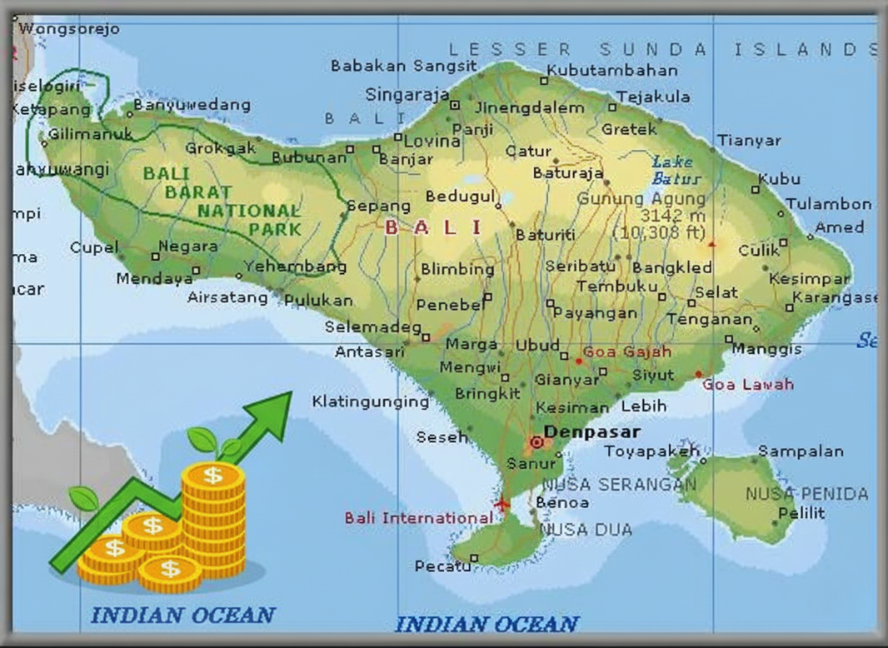
The Canggu area (Badung Regency), based on the number of rented properties, attracts up to 49% of all visitors to the island. Yet the region offers only around 5,600 rental properties. This creates an unprecedented imbalance: each rental unit accounts for 446 tourists. Such strong demand supports consistently high occupancy rates—exceeding 75% in popular areas such as Canggu and Uluwatu.
In 2024, the country recorded a historically low inflation rate of around 1.57%.
The Indonesian rupiah exchange rate against the US dollar (as of October 2025 — around 16,523 IDR per $1) remains predictable, enabling investors to plan their financial flows with confidence.
Property prices in Bali have grown by an average of 7% annually over the past five years, with even higher growth recorded in certain areas.
Rental returns: villas in tourist hubs offer a gross rental yield of 7–15%, supported by both short-term vacation rentals and long-term leases for expats.
Bali offers a diverse range of properties including villas, apartments, hotels, and townhouses, combining spacious living with stylish design. The island is an excellent place to live, but investing here requires professional expertise. If you seek profitable returns, do so legally through an investment company you trust—one that has already vetted developers and properties. Otherwise, consider other markets, as independent purchases carry the risk of losing your investment.